
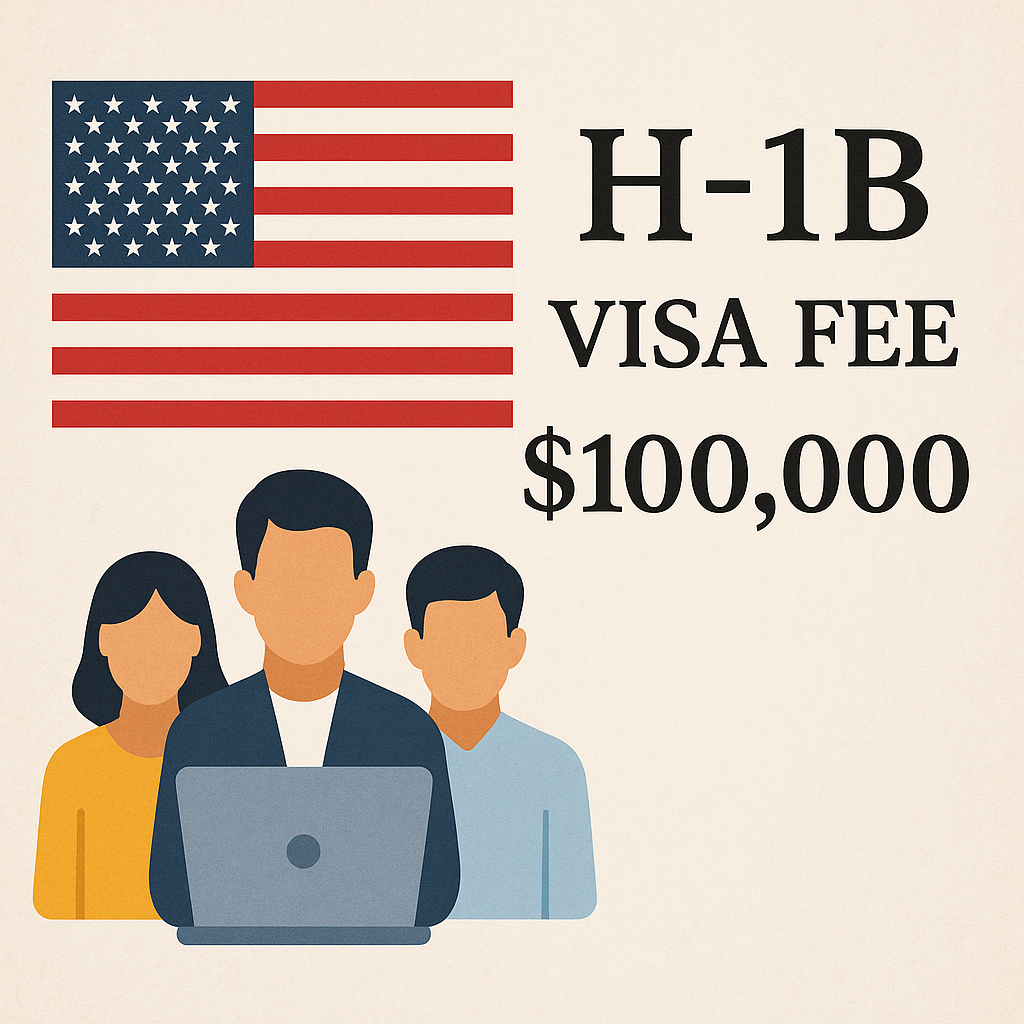

In a move sending shockwaves through Silicon Valley and beyond, President Trump’s administration has signed an executive order setting the annual H-1B visa fee at $100,000. For years, the H-1B visa has been the backbone of America’s tech talent pipeline, bringing skilled professionals from around the world into industries that thrive on innovation.
But with this sudden spike in costs, the future of the U.S. labor market may be heading for a dramatic shift.
Why This Matters
The H-1B program has long been a lifeline for tech companies, startups, and even healthcare systems struggling to fill specialized roles. Raising the price tag so drastically could lead to several ripple effects:
- Hiring Roadblocks in Tech: Companies that depend on international talent may struggle to keep their pipelines filled. Fewer visas could mean a slowdown in critical projects.
- A Push Toward Training Americans: Supporters of the move argue that this will encourage businesses to invest in domestic training, apprenticeships, and education programs, boosting opportunities for U.S. workers.
- Rising Costs Across Industries: With fewer workers available to meet demand, service costs could rise, deadlines could stretch, and some roles might even shift overseas where labor is more affordable.
Critics vs. Supporters
- Critics warn that innovation and competitiveness will suffer, especially as rival countries aggressively recruit skilled workers. Nations like Canada, the UK, and Australia could benefit from America’s policy shift.
- Supporters argue that this policy will restore fairness to American workers, ensuring that companies don’t rely on cheaper foreign labor while neglecting the U.S. workforce.
What’s Next?
This is not just a headline — it’s a potential turning point in U.S. immigration, education, and economic strategy. The big question is whether American companies can adapt quickly enough by building stronger talent pipelines at home, or if the cost hike will spark an exodus of jobs and innovation abroad.
For now, students, tech workers, and global talent watchers are keeping their eyes on how this policy will be implemented and whether it survives inevitable legal and political challenges.
Leave a Reply