
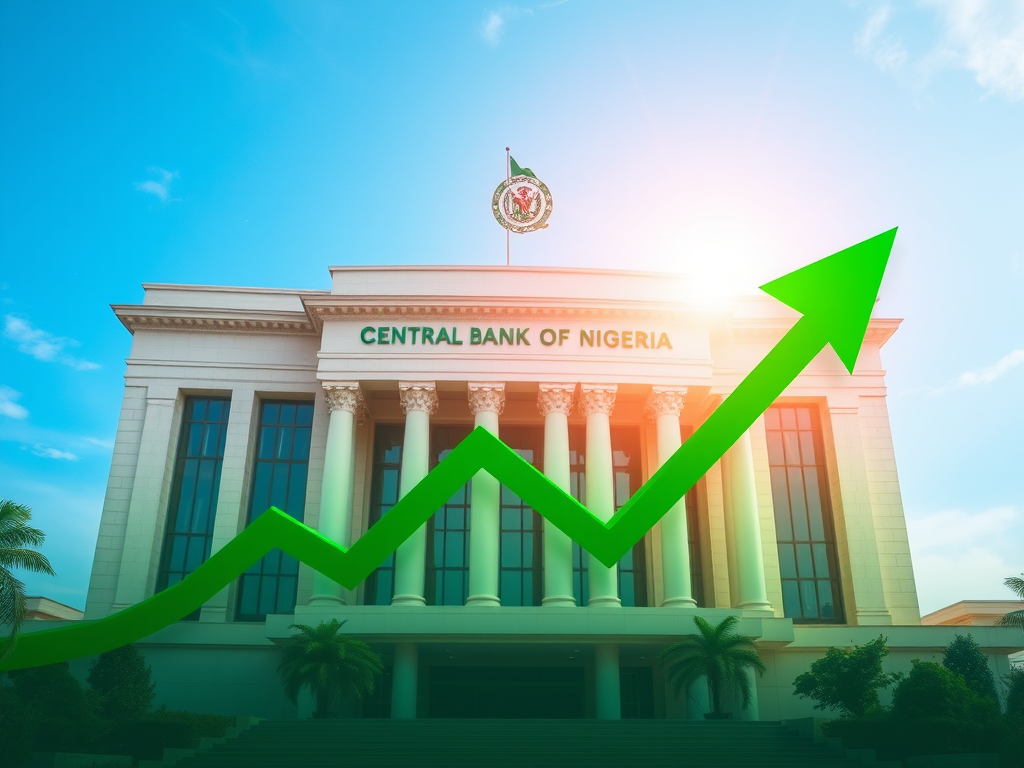

In an exciting policy shift, Nigeria’s Central Bank has joyfully reduced its benchmark interest rate by 50 basis points to 27%, marking a welcome rate cut for the first time since 2020. According to Reuters, this positive move is driven by easing inflation and reflects a broader strategy to invigorate economic activity and growth across the country.
Why This Matters
For years, Nigeria maintained relatively high interest rates as a way to curb inflation and stabilize the naira. Businesses, investors, and households had grown accustomed to a tight monetary environment. Now, this cut signals a significant shift in this direction:
- It suggests that policymakers believe inflationary pressures are cooling.
- It highlights a stronger focus on boosting growth, lending, and investment.
- It may also be a calculated attempt to ease financial burdens as the economy seeks momentum after challenging years.
Impact on Borrowing Costs
Lower interest rates usually translate into cheaper borrowing. For Nigerian households and businesses, this means:
- Easier access to credit: Banks may offer loans at slightly reduced rates, encouraging borrowing for housing, education, and consumer spending.
- Small businesses benefit: SMEs, which often struggle with high credit costs, may find it easier to finance expansion.
- Debt servicing relief: Existing borrowers could see some relief in repayment burdens if banks adjust accordingly.
Business Investment Outlook
For the business community, the implications are equally important:
- Increased capital spending: Companies may be more willing to invest in new projects, equipment, or technology.
- Boost for manufacturing & services: With more accessible credit, sectors that rely on financing are likely to see renewed activity.
- Foreign investor signals: The rate cut could make Nigeria look more business-friendly, but it may also raise questions about long-term currency stability.
Balancing Risks and Rewards
While this move is expected to inject fresh energy into the economy, risks remain. Lower rates can fuel currency depreciation if not managed carefully, and inflation could resurface if consumer spending accelerates too quickly. The Central Bank will need to strike a delicate balance between stimulating growth and maintaining stability.
My Final Thoughts:
Nigeria’s first interest rate cut in five years is more than a headline—it’s a hopeful signal of shifting priorities. For citizens, businesses, and investors, the months ahead hold the promise of stronger growth, presenting an exciting opportunity to navigate the delicate balance between inflation and expansion with renewed optimism and potential for prosperity.
(Source: Reuters)
https://amzn.to/485RARz – Please click and buy to save a soul.
Leave a Reply